Black mold gets treated like a house-ending emergency online. The truth is more reassuring, and more useful. Here is the honest version.
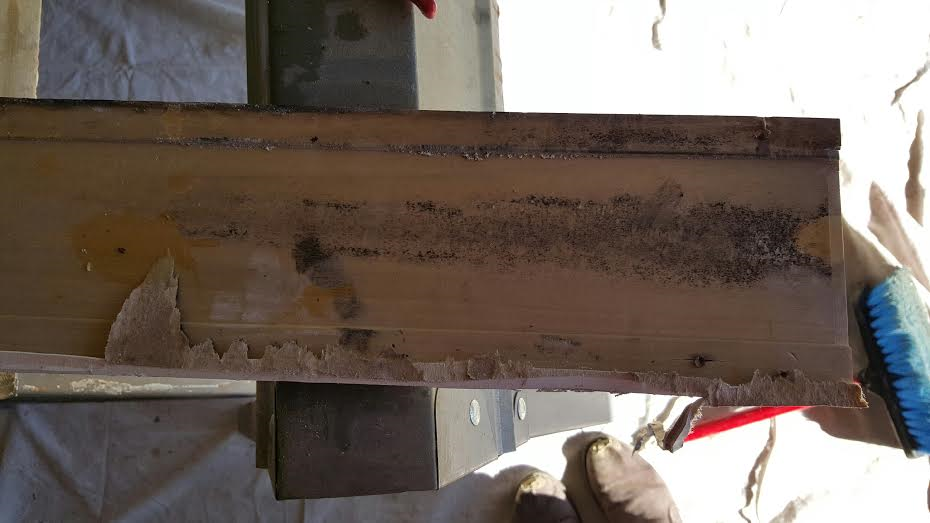
When people say "black mold" they usually mean Stachybotrys chartarum, a greenish-black mold that grows on wet, cellulose-rich materials like drywall, wood, and paper. It needs sustained moisture to grow, which is why you find it around leaks, floods, and chronically damp spaces.
Black mold can cause genuine symptoms: nasal congestion, coughing, throat irritation, headaches, and aggravated asthma or allergies. The people most affected are infants and children, older adults, and anyone with asthma, allergies, or a weakened immune system. For most healthy adults, a contained patch is a problem to fix promptly, not a reason to evacuate. The dramatic claims you see online tend to outrun what the evidence supports.
Do not disturb it. Scrubbing or knocking into black mold sends spores through the house and makes things worse. Keep the area closed off, fix or stop the water source if you safely can, and have it looked at. Correct removal means containing the area, taking the growth out at the material, treating the surfaces, and solving the moisture. The color does not change the method. It just raises the stakes for doing it right.
Most jobs touch more than one of these. We handle them under one roof.
Tell us what you are seeing or smelling and we will set up a free inspection, then give you a straight answer and a plain quote in writing.
Bruce · the Mold Man · (317) 751-1510