Mold rarely announces itself. Most of the time it is a smell, a symptom, or a stain that something is wrong. Here is how to read your own house.
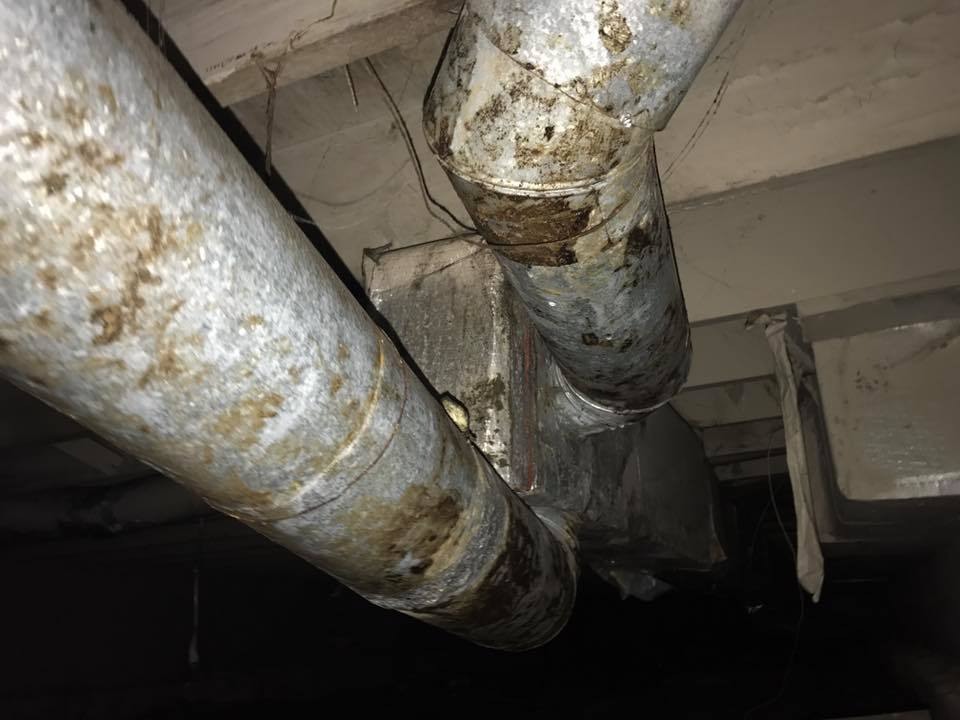
The single most reliable early sign of mold is a musty, earthy smell, strongest in basements, crawlspaces, bathrooms, and closets. If a room smells damp even when it looks clean, mold is usually already growing somewhere you cannot see. Trust the smell. It is often the only warning you get before the visible stage.
Mold affects health before it is visible. Pay attention if you or your family have symptoms that ease when you leave the house and return when you come home: a stuffy or runny nose, sneezing, itchy eyes, coughing, headaches, or worse breathing for anyone with asthma. Children, older adults, and people with allergies feel it first.
Visible signs include water stains on ceilings or walls, paint that is bubbling or peeling, warped or soft drywall, dark spots or fuzzy patches in corners and around windows, and a white or greenish film on basement walls. In the attic, look for dark staining on the underside of the roof decking. In the crawlspace, look for discoloration on the joists and a damp floor.
A small patch on a hard surface you can wipe clean is usually fine to handle yourself. Call a professional if the area is larger than a couple of square feet, if it is on drywall or wood, if it keeps coming back, if there has been a flood or long-term leak, or if anyone in the home has unexplained breathing trouble. We will come look for free and tell you straight whether it is a real problem.
Most jobs touch more than one of these. We handle them under one roof.
Tell us what you are seeing or smelling and we will set up a free inspection, then give you a straight answer and a plain quote in writing.
Bruce · the Mold Man · (317) 751-1510